Monday, December 12, 2011
This Day in 1965
On December 12, 1965, the Beatles finished what was to be their last British tour. They performed, by this time rather reluctantly, at the Capitol Cinema in Cardiff.
Thursday, December 8, 2011
31st Anniversary of John Lennon's Death
On December 8, 1980 in New York City in front of the Dakota Building, John Lennon was shot by Mark David Chapman. He was only 40 years old. He was just getting his life back together; he rescued his friendship with Paul, renewed his relationship with his first son Julian, returned to the recording studio, stopped drugs, and was a loving father to his second son, Sean. But that was cut short, much too short.
John was born John Winston Lennon on October 9, 1940 in Liverpool, England. An only child (until he found out about a half-sibling that he didn't know about until he was 17), he grew up in the wealthiest family of the Beatles, but a dysfunctional one at that. John was born to Julia and Alfred Lennon, but his dad left to live overseas when he was five. At that point, John was given the choice to live with Julia or Alfred and he ultimately chose Julia. John wasn't to see his father until a chance meeting in the mid- 1960s. However, Julia proved to be an immature woman who was not prepared to take on the job of raising a child, so John's Aunt Mimi took him in. She was a strict and conservative woman, who disapproved of Julia, Elvis, and especially guitar. She once said to him "guitar's alright for a hobby, John, but you'll never make a living out of it." However, John, from the get-go had always abhorred authority. He rebelled against Mimi, his school, his headmasters, and his church and this was only enhanced when he discovered, like three other young boys around his age in the same area, rock n' roll and the guitar.
In 1957, John met Paul. He and Paul had a mutual friend who invited Paul to one of the Quarrymen's (John's high school band) gigs. Paul tried out and was invited to join the band as another guitar player. George was then brought to a concert by his friend, Paul, and was asked to join after he played the song "Raunchy" superbly. Everything was going great, until tragedy struck the Lennon household. In 1957, Julia was hit by a speeding car and killed instantly. John was devastated. He had regarded her as a friend. Paul, whose mother had died of breast cancer when he was 12, was able to identify with John's feelings and comforted him. It is this, that greatly strengthened their friendship and songwriting compatibility.
After returning from Hamburg, Germany, John and his band were discovered by Brian Epstein in 1962. The Beatles immediately rose into international superstardom. From 1963 to 1966, they toured incessantly, playing to an audience seemingly deaf to their music. Like the other four, superficiality no longer interested John. He was looking for something more. After the Beatles stopped touring, they traveled to India in 1968. Searching for spiritual fulfillment affected John deeply, and with the help of LSD, he, for the time being, found God. People who know the story of John, will know that John professed many different religions and ideas throughout his lifetime, one of these being atheism. Despite this, he always remained true to the idea of peace on earth and advocated that from 1967's "All You Need Is Love" to his famous "Grow your hair for peace" and his very famous song "Give Peace a Chance."
In 1967, John met Yoko, marrying her in 1969. Yoko changed his life and ultimately drew him away from the Beatles. She was a Japanese artist who taught him to look inward at what he had done in his life. John and Yoko soon became inseparable and he called it quits with the Beatles in 1970. His post-Beatles life consisted of ups and downs. Hard drugs soon entered his life, such as cocaine and heroine and Yoko even sent him away to clean up his act. By 1980, he did. His first son, Julian (for whom "Hey Jude" is for), was born in 1963, at the height of Beatlemania. John was not a very good father for him and it created a considerable amount of strain on their relationship throughout the Beatles and the ten years that John had after them. But with the birth of his second son, Sean, with Yoko in 1975, John became the responsible father that he should have been for Julian and consequently repaired his relationship with him. He started talking to Paul and the others again, and began writing songs to jumpstart his career.
But madness was brewing. Mark David Chapman was an obsessive fan of the Beatles. Everything they did, he did, venturing into moptops and LSD. A mentally ill fan, he began to hear voices in his head that told him to kill John Lennon in the name of Jesus Christ. Chapman converted to Christianity and made it his sole goal to destroy this "advocate for the devil." In 1980, he traveled to New York City, where John and Yoko lived, to kill who was once his idol. Around 11:00 pm on December 8, as John and Yoko walked out from the Dakota Building, Chapman yelled "Mr. Lennon!" and shot John in the back. He was captured by police who arrived immediately, but the ambulances were too late. John died soon after.
The legacy of the Beatles and John Lennon, who is arguably the most famous and revered of the four, is massive. He wrote some of the most amazing songs that not only changed the face of rock n' roll, but also greatly impacted the world socially. It's crazy to think that it's been 31 years since he died, and I wasn't even alive to see it! It's an incredibly sad story and one that Paul captures perfectly in his "conversation he never had" with John, "Here Today." Chapman ended the life of a true artist much too soon. All we can do now is listen to his music and think of what he did for music and people everywhere.
JOHN LENNON 1940-1980
John was born John Winston Lennon on October 9, 1940 in Liverpool, England. An only child (until he found out about a half-sibling that he didn't know about until he was 17), he grew up in the wealthiest family of the Beatles, but a dysfunctional one at that. John was born to Julia and Alfred Lennon, but his dad left to live overseas when he was five. At that point, John was given the choice to live with Julia or Alfred and he ultimately chose Julia. John wasn't to see his father until a chance meeting in the mid- 1960s. However, Julia proved to be an immature woman who was not prepared to take on the job of raising a child, so John's Aunt Mimi took him in. She was a strict and conservative woman, who disapproved of Julia, Elvis, and especially guitar. She once said to him "guitar's alright for a hobby, John, but you'll never make a living out of it." However, John, from the get-go had always abhorred authority. He rebelled against Mimi, his school, his headmasters, and his church and this was only enhanced when he discovered, like three other young boys around his age in the same area, rock n' roll and the guitar.
In 1957, John met Paul. He and Paul had a mutual friend who invited Paul to one of the Quarrymen's (John's high school band) gigs. Paul tried out and was invited to join the band as another guitar player. George was then brought to a concert by his friend, Paul, and was asked to join after he played the song "Raunchy" superbly. Everything was going great, until tragedy struck the Lennon household. In 1957, Julia was hit by a speeding car and killed instantly. John was devastated. He had regarded her as a friend. Paul, whose mother had died of breast cancer when he was 12, was able to identify with John's feelings and comforted him. It is this, that greatly strengthened their friendship and songwriting compatibility.
After returning from Hamburg, Germany, John and his band were discovered by Brian Epstein in 1962. The Beatles immediately rose into international superstardom. From 1963 to 1966, they toured incessantly, playing to an audience seemingly deaf to their music. Like the other four, superficiality no longer interested John. He was looking for something more. After the Beatles stopped touring, they traveled to India in 1968. Searching for spiritual fulfillment affected John deeply, and with the help of LSD, he, for the time being, found God. People who know the story of John, will know that John professed many different religions and ideas throughout his lifetime, one of these being atheism. Despite this, he always remained true to the idea of peace on earth and advocated that from 1967's "All You Need Is Love" to his famous "Grow your hair for peace" and his very famous song "Give Peace a Chance."
In 1967, John met Yoko, marrying her in 1969. Yoko changed his life and ultimately drew him away from the Beatles. She was a Japanese artist who taught him to look inward at what he had done in his life. John and Yoko soon became inseparable and he called it quits with the Beatles in 1970. His post-Beatles life consisted of ups and downs. Hard drugs soon entered his life, such as cocaine and heroine and Yoko even sent him away to clean up his act. By 1980, he did. His first son, Julian (for whom "Hey Jude" is for), was born in 1963, at the height of Beatlemania. John was not a very good father for him and it created a considerable amount of strain on their relationship throughout the Beatles and the ten years that John had after them. But with the birth of his second son, Sean, with Yoko in 1975, John became the responsible father that he should have been for Julian and consequently repaired his relationship with him. He started talking to Paul and the others again, and began writing songs to jumpstart his career.
But madness was brewing. Mark David Chapman was an obsessive fan of the Beatles. Everything they did, he did, venturing into moptops and LSD. A mentally ill fan, he began to hear voices in his head that told him to kill John Lennon in the name of Jesus Christ. Chapman converted to Christianity and made it his sole goal to destroy this "advocate for the devil." In 1980, he traveled to New York City, where John and Yoko lived, to kill who was once his idol. Around 11:00 pm on December 8, as John and Yoko walked out from the Dakota Building, Chapman yelled "Mr. Lennon!" and shot John in the back. He was captured by police who arrived immediately, but the ambulances were too late. John died soon after.
The legacy of the Beatles and John Lennon, who is arguably the most famous and revered of the four, is massive. He wrote some of the most amazing songs that not only changed the face of rock n' roll, but also greatly impacted the world socially. It's crazy to think that it's been 31 years since he died, and I wasn't even alive to see it! It's an incredibly sad story and one that Paul captures perfectly in his "conversation he never had" with John, "Here Today." Chapman ended the life of a true artist much too soon. All we can do now is listen to his music and think of what he did for music and people everywhere.
JOHN LENNON 1940-1980
Friday, December 2, 2011
This Day in 1964
Ringo had his tonsils removed. BBC Radio News announced to the worried fans that he was fine and the operation was successful.
Tuesday, November 29, 2011
10th Anniversary of George Harrison's Death
On November 29, 2001, George Harrison lost the battle with lung cancer in Los Angeles, California. He was 58 years old. Ten years later, and the Beatles and George are more popular than ever, with people like me, whose parents were only three when the Beatles were together, being some of their most loyal fans. George is my favorite Beatle. He's been my favorite ever since I was introduced to them with their first movie A Hard Day's Night in 2008. He is, without a doubt, the most underrated out of the four. Everyone focuses on John and Paul because of their Lennon/McCartney duo and they remember Ringo because of his name. George is most often, the forgotten Beatle, which is really a shame.
The youngest of the four, he was born on February 25, 1943 in Liverpool, England. Being the youngest of four siblings, he grew up in arguably the most wholesome family of the Beatles with his family staying together even into Beatlemania. His life began to change when he met a young boy named James "Paul" McCartney on the school bus to QuarryBank, their school. A year older, Paul helped George to come to the "Elvis epiphany" as LIFE magazine puts it. After 1956, all he could think about was guitar, guitar, and more guitar. He even, while taking notes on architecture in his textbook, would draw different models of guitars. (As a side note: I actually saw these notebooks in an exhibit going on at the Grammy Museum in LA Live right now. It's "George Harrison: Living in the Material World." You should definitely check it out) Paul and George would play guitar together at each others homes, mostly George's because his mom greatly encouraged George in guitar. In 1957, Paul met John Lennon, and then introduced him to George. He was three years younger than John, which showed at the time when John was 17 and George was barely 14. But George was an excellent guitar player and was invited, with Paul, to join John's band the Quarrymen. He took the role as lead guitarist because of a botched solo by Paul at one gig and stayed in the role until 1970 when the Beatles broke up. Along with John, Paul, Stu Sutcliffe (original bass player) and Pete Best (original drummer), George traveled to Hamburg, Germany to strengthen their act on stage as well as begin working on songwriting. Unfortunately, their trip was cut short when George, who was 17 at the time, was found to be underage. He was soon deported and it seemed that the dream of the Beatles (they had recently changed their name) would fade away.
But by 1962, Brian Epstein had come to see them perform in the Cavern Club back in Liverpool and they were signed up to make their first record Please Please Me at Abbey Road Studios in London. You can pretty much guess the rest of the story. Beatlemania hit in 1963 and girls would become violent trying to get so much as a glimpse at the four. Tired of the unrelentless screaming, the Beatles retired from the hectic schedule of touring and resolved to focus on composition. By 1967, such astounding albums like Rubber Soul, Revolver, and Sgt. Pepper's Lonely Hearts Club Band had arrived. But in 1970, George had had enough of "The Fab Four" and he quit so that he could record songs that were discarded by John and Paul.
Despite the cheery atmosphere that George gave off to the thousands of girls who adored him, he hated everything that came with being one of the Beatles. It's been said that after the Ed Sullivan Show in 1964, he told the other three "How [expletive] stupid it all is. All that big hassle to make it, only to end up as performing fleas." It is the initial hatred of the superficiality of the Beatles that caused him to turn to spiritual matters. After their second movie Help! in 1965, which contained a large amount of Indian elements, George became obsessed with anything Indian. He learned sitar, which he played on their song "Norwegian Wood (This Bird Has Flown)." Following the Beatles excursion to India in 1968, George became devoted to finding God. The Beatles have said in numerous interviews that LSD opened their eyes to God. But after taking it in 1965, George became interested in God more than rock music, the Beatles, or anything else at all. He meditated all the time and it is partially this that ended his first marriage to Pattie Boyd in 1976.
George moved on from the Beatles to become a very successful solo artist, making such hits as My Sweet Lord, Isn't It a Pity, and All Those Years Ago. He re-married in 1978 to Olivia Arias, a South Californian who worked at A&M Records in LA. They remained married until his death. His son Dhani was born in 1978. They maintained a close relationship for the rest of George's life.
I'll end with the opening paragraph of LIFE Magazine's latest issue Remembering George Harrison: 10 Years Later: "He was the 'Quiet Beatle' only in that he was standing alongside two louder-than-life characters and in front of a guy playing the drums. He held many strong opinions-on Beatlemania, on global want, on his right to privacy, and on his God-and gave firm voice to most of them. As a visibly moved Paul McCartney said 10 years ago when his 'brother' passed away, George Harrison was a lovely person, possessed of a wicked sense of humor, but one who did not 'suffer fools gladly.' This man who would happily (and sometimes not so happily) goof around with his mates during the halcyon days, and would later come to embody the ideas of Flower Power and peace on earth, took life very, very seriously, and cherished the personal life deeply...Remembering George: Ten years ago and much to soon, we lost as second Beatle-a wonderful musician and a wonderful man. Here is George's life, in words and, then, in pictures."
GEORGE HARRISON: 1943-2001
The youngest of the four, he was born on February 25, 1943 in Liverpool, England. Being the youngest of four siblings, he grew up in arguably the most wholesome family of the Beatles with his family staying together even into Beatlemania. His life began to change when he met a young boy named James "Paul" McCartney on the school bus to QuarryBank, their school. A year older, Paul helped George to come to the "Elvis epiphany" as LIFE magazine puts it. After 1956, all he could think about was guitar, guitar, and more guitar. He even, while taking notes on architecture in his textbook, would draw different models of guitars. (As a side note: I actually saw these notebooks in an exhibit going on at the Grammy Museum in LA Live right now. It's "George Harrison: Living in the Material World." You should definitely check it out) Paul and George would play guitar together at each others homes, mostly George's because his mom greatly encouraged George in guitar. In 1957, Paul met John Lennon, and then introduced him to George. He was three years younger than John, which showed at the time when John was 17 and George was barely 14. But George was an excellent guitar player and was invited, with Paul, to join John's band the Quarrymen. He took the role as lead guitarist because of a botched solo by Paul at one gig and stayed in the role until 1970 when the Beatles broke up. Along with John, Paul, Stu Sutcliffe (original bass player) and Pete Best (original drummer), George traveled to Hamburg, Germany to strengthen their act on stage as well as begin working on songwriting. Unfortunately, their trip was cut short when George, who was 17 at the time, was found to be underage. He was soon deported and it seemed that the dream of the Beatles (they had recently changed their name) would fade away.
But by 1962, Brian Epstein had come to see them perform in the Cavern Club back in Liverpool and they were signed up to make their first record Please Please Me at Abbey Road Studios in London. You can pretty much guess the rest of the story. Beatlemania hit in 1963 and girls would become violent trying to get so much as a glimpse at the four. Tired of the unrelentless screaming, the Beatles retired from the hectic schedule of touring and resolved to focus on composition. By 1967, such astounding albums like Rubber Soul, Revolver, and Sgt. Pepper's Lonely Hearts Club Band had arrived. But in 1970, George had had enough of "The Fab Four" and he quit so that he could record songs that were discarded by John and Paul.
Despite the cheery atmosphere that George gave off to the thousands of girls who adored him, he hated everything that came with being one of the Beatles. It's been said that after the Ed Sullivan Show in 1964, he told the other three "How [expletive] stupid it all is. All that big hassle to make it, only to end up as performing fleas." It is the initial hatred of the superficiality of the Beatles that caused him to turn to spiritual matters. After their second movie Help! in 1965, which contained a large amount of Indian elements, George became obsessed with anything Indian. He learned sitar, which he played on their song "Norwegian Wood (This Bird Has Flown)." Following the Beatles excursion to India in 1968, George became devoted to finding God. The Beatles have said in numerous interviews that LSD opened their eyes to God. But after taking it in 1965, George became interested in God more than rock music, the Beatles, or anything else at all. He meditated all the time and it is partially this that ended his first marriage to Pattie Boyd in 1976.
George moved on from the Beatles to become a very successful solo artist, making such hits as My Sweet Lord, Isn't It a Pity, and All Those Years Ago. He re-married in 1978 to Olivia Arias, a South Californian who worked at A&M Records in LA. They remained married until his death. His son Dhani was born in 1978. They maintained a close relationship for the rest of George's life.
I'll end with the opening paragraph of LIFE Magazine's latest issue Remembering George Harrison: 10 Years Later: "He was the 'Quiet Beatle' only in that he was standing alongside two louder-than-life characters and in front of a guy playing the drums. He held many strong opinions-on Beatlemania, on global want, on his right to privacy, and on his God-and gave firm voice to most of them. As a visibly moved Paul McCartney said 10 years ago when his 'brother' passed away, George Harrison was a lovely person, possessed of a wicked sense of humor, but one who did not 'suffer fools gladly.' This man who would happily (and sometimes not so happily) goof around with his mates during the halcyon days, and would later come to embody the ideas of Flower Power and peace on earth, took life very, very seriously, and cherished the personal life deeply...Remembering George: Ten years ago and much to soon, we lost as second Beatle-a wonderful musician and a wonderful man. Here is George's life, in words and, then, in pictures."
GEORGE HARRISON: 1943-2001
Sunday, November 27, 2011
Awesome Book
I picked up this book from the Pepperdine Library a while ago. It was a great look at each of the Beatles' beliefs of religion. I thought it was very interesting, and it does away with the typical views of John being an atheist or George being a Hindu. It takes a look at what role religion played in their childhood, adult life, music, and career. I really recommend it!
Monday, August 22, 2011
Helter Skelter
This song just came up on my ipod when I was listening to shuffle. I really never listen to this song because... I actually don't know why! Just thought I'd pay tribute to one of the strangest Beatle songs ever (although it's on the White Album so it's probably one of the more normal ones in that context). It seems like a very un-Beatle-like song with the heavy guitar and screaming the entire 4 1/2 minutes or however long it is. Paul mainly wrote this song, basing it on a recent Who song. Anyway, this song is awesome and deserves some recognition despite the horrific events related to it!
Thursday, July 7, 2011
Happy 71st birthday Ringo!
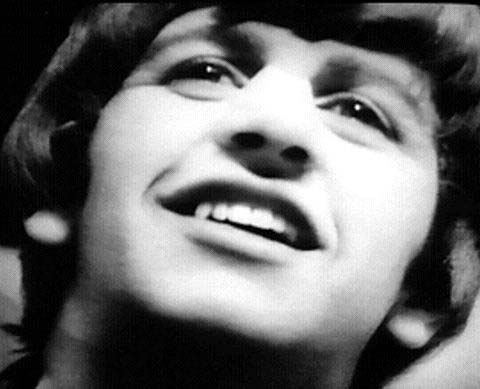
Richard Starkey was born on July 7, 1940 in Liverpool. An only child, he never really knew his dad as he left their family when Richard was very young. He was therefore raised by his mother and his mother's friends. Like the other three Beatles, Richard hated school, but luckily for him, he didn't attend much of it as he was frequently sick as a child. Around the age of six, Richard had appendicitis and it was predicted by the doctors that he wouldn't live through the operation. But he recovered well and continued his time with school. Like John, Paul, and George, he soon was captured by rock n' roll but was uninterested in the guitar. He loved the drums. His mother bought him the cheapest drum set (his family lived in the worst part of Liverpool and he was the poorest of the Beatles) and he learned from that. By 20, he had become the drummer of a local Liverpool band called Rory Storm and the Hurricanes, a decently successful group that had its own act, uniforms, and manager. Incidentally, Rory Storm and the Beatles (who had recently changed their name from the Quarrymen) were playing in the same club in Hamburg, Germany. Richard, who had changed his name to Ringo Starr due to the number of rings he wore on his fingers, met John Lennon, Paul McCartney, George Harrison, Pete Best, and Stu Sutcliffe (the original members of the Beatles) in this club, but never really interacted with them until they all went back to Liverpool. When Stu left and Pete was sacked, there was an opening for the drummer position in the Beatles. John, Paul, and George, remembering Ringo from their Hamburg days, asked their manager, Brian Epstein and record producer, George Martin, if they could invite Ringo to become the fourth member of the Beatles. They finally agreed and asked Ringo to join for 25 pounds a week. Rory Storm offered 20 pounds so Ringo took the Beatles for the money. He didn't know then, that that was a life-changing decision. By August 1962, the Fab Four was complete and their first album "Please Please Me" was released. It took a while for Ringo to become acquainted with the other three, as they had been playing together for years and were best friends. Ringo was often left out of things and was considered a part of the Beatles but not a friend. This changed soon enough and after that the four were a very close-knit group. After the Beatles broke up in 1970, Ringo went on to do solo work, but was only mildly successful. Paul with his post-Beatles band Wings, was astronomically more successful but Ringo did have his share. Ringo has several children from several different marriages, the oldest of which, Zak (whom he had with Maureen Cox in 1965) is the replacement drummer for the Who when they go on tour. He lives in England but owns homes in several places, including Malibu which is where I live! I wish Ringo Starr a very happy 71st birthday!
Subscribe to:
Posts (Atom)


